
If there’s one thing business owners are learning in 2026, it’s that content is the currency of trust. Customers don’t just buy products anymore, they buy into brands that feel real, consistent, and valuable. And how do you build that trust? Through the kind of content that educates, entertains, and engages, all while guiding people closer to your business.
But here’s the problem, most business owners know they need to create content but feel overwhelmed. What do you post? How do you make sure it’s consistent? And most importantly, how do you make it work for sales, not just likes?
That’s where a system comes in. And the easiest way to stay consistent and effective is through templates like those inside The Content Factory. Instead of reinventing the wheel every day, you’ll have plug-and-play frameworks that help you create powerful content fast.
Here are 12 content strategies you can use in 2026 to build trust and increase sales:
1. Educate Your Audience Before You Sell to Them

One of the fastest ways to build trust is to share valuable knowledge for free. People buy from brands they see as experts. Instead of only posting product promotions, create content that teaches your audience something useful whether it’s a ‘how-to guide’, quick tips, or industry insights.
For example, if you sell skincare products, don’t just post ‘Buy our moisturizer.’ Share a carousel post explaining ‘5 Morning Skincare Mistakes That Damage Your Skin’ and naturally mention how your moisturizer helps prevent one of those mistakes. This builds authority while keeping the sale subtle. With Content Factory you’ll find ready-made templates for educational posts, so you never run out of teaching ideas.
2. Use Storytelling to Humanize Your Brand
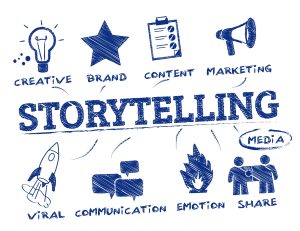 People connect with stories, not sales pitches. Share the story of how your business started, the struggles you faced, or the wins you’ve achieved. You can also tell stories of your customers and how your product solved their problem.
For instance, instead of just saying, ‘Our service is reliable’, share a customer story like: ‘Sarah’s business was stuck because her ad account got disabled. Within 2 weeks of working with us, her ads were running again, and she regained her sales momentum.’ Stories stick in people’s minds far longer than features. Templates inside The Content Factory guide you step by step to craft powerful brand stories.
3. Show Behind-the-Scenes Content

Trust grows when your audience sees the ‘real you’. Share sneak peeks of your workspace, how your product is made, or your team at work. This breaks down the wall between ‘businesses and ‘customer’ and makes your brand relatable.
For example, if you sell jewelry, show a short video of how each piece is crafted. If you’re a digital marketer, show a glimpse of your content creation process or brainstorming session. People don’t just buy the product; they buy into the process and the people behind it.
4. Repurpose Content Across platforms

Creating fresh content every day is exhausting. Smart businesses repurpose. One blog post can turn into 3 Instagram carousels, 5 tweets, a LinkedIn article, and a short YouTube video.
Repurposing keeps your message consistent while saving you time. For example, if you wrote a blog post titled ‘10 Ways to Build Customer Loyalty’, you could pull out quotes for social media, turn the steps into a video, and send the full post as an email. The templates in The Content Factory show you how to take one piece of content and break it into multiple forms.
5. Use Social Proof as Content
In 2026, customers are skeptical. They don’t just want to hear from you; they want proof from others. Share testimonials, reviews, case studies, and user-generated content.
For example:
- Screenshot a happy client’s WhatsApp message.
- Turn a positive review into a stylish social media graphic.
- Post a short video of a client sharing their experience.
Social proof builds credibility faster than self-promotion ever will.
6. Mix Educational and Entertaining Content

Education positions you as an expert, but entertainment makes you relatable. Don’t be afraid to add humor, trending memes, or lighthearted content into your calendar. It shows your brand has personality.
For example, if you’re in real estate, you might create a funny reel about the types of client’s agents deal with, while also posting serious tips about property investment. This balance keeps your feed engaging. The Content Factory includes templates for both types so you can keep things fun without losing professionalism.
7. Answer Frequently Asked Questions (FAQs)

If customers keep asking the same questions, turn them into content. FAQs make great posts because they directly address pain points.
For instance:
- ‘Why are my ads not delivering?’ → blog post + Instagram carousel.
- ‘Do I need to post daily to grow?’ → reel or short video.
- ‘What happens if my ad account is disabled?’ → LinkedIn article.
Every FAQ answered is one more piece of trust built.
8. Use Calls-to-Action (CTAs) Wisely

A great post without a clear next step is wasted. CTAs guide people from interest to action whether that’s clicking a link, downloading a freebie, or making a purchase.
Instead of vague CTAs like ‘Check us out’, be specific:
- ‘Download our free template here’.
- ‘Click the link to fix your disabled ad account’.
- ‘Order yours today before stock runs out’.
Templates inside The Content Factory include pre-written CTAs so you’re never stuck on what to say.
9. Focus on Quality, Not Just Quantity

Posting daily is helpful, but posting valuable content is better. One high-quality post that educates or inspires can generate more leads than 10 rushed, low-quality posts.
For example, a detailed LinkedIn post about ‘5 Mistakes That Get Your Ad Account Disabled’ might attract shares, comments, and leads, while random filler posts get ignored.
10. Share Customer Transformations
Nothing sells like transformation. Don’t just say ‘We helped a client’. Show the before and after.
For example:
- ‘Before working with us: No content system. After 1 month with The Content Factory: Posting consistently and closing more sales.’
- ‘Before: Disabled ad account. After: Running profitable campaigns again.’
Transformation stories help potential customers see themselves in the journey.
11. Use Consistent Branding

Consistency builds recognition. Use the same brand voice, colors, and style across your content. If your Instagram looks playful but your LinkedIn sounds overly formal, it confuses your audience. Templates help with this because they keep your messaging and design uniform.
12. Sell by Serving, Not Pushing

The best sales happen when your audience feels understood. Focus on solving problems through your content, not just pushing products. For example, instead of posting “Buy our ad recovery service,” create a post titled “5 Steps to Take Immediately After Your Ad Account Gets Disabled.” Then, at the end, mention your service as the easiest solution. Serving first makes selling natural.
In conclusion, Content is no longer optional, it’s the bridge between your brand and your customers. In 2026, the businesses that win will be the ones that create content that educates, engages, entertains, and sells all at once.
The good news is you don’t have to struggle with blank screens or inconsistent posts. With Content Factory you get proven templates that simplify content creation and ensure every post you put out builds trust and drives sales.
👉 Don’t just post, post with purpose. Get The Content Factory from DigitalBizGuru today and make content your most powerful sales tool.