Have you ever looked at a beautifully designed logo, flyer, or website and thought, “I wish I could do that”?
Graphic design is more than just creating visually appealing artwork, it’s about solving problems, telling stories, and helping brands communicate with their audience.
If you’re thinking about starting a career in graphic design or sharpening your existing skills, this post will walk you through the essential skills you need to succeed in the field.
- Creativity – Your Most Valuable Asset

Creativity is at the heart of everything in graphic design. It’s what sets your work apart, gives it personality, and helps you connect with your audience. Every design, whether it’s a logo, website banner, social media post, or product packaging starts with a creative idea that solves a visual problem and communicates a message.
But creativity isn’t just about being artistic. It’s about thinking differently, solving problems in unique ways, and expressing ideas visually in a way that feels fresh and engaging.
- Think outside the box: Avoid overused templates or clichés. Great designers push boundaries and create concepts that surprise or delight the viewer.
- Experiment with styles: Don’t be afraid to play with color, layout, and unconventional combinations. Some of the most iconic designs come from bold experimentation.
- Draw inspiration from the world: Look around you; nature, street signs, movies, architecture, fashion. Inspiration can come from the most unexpected places.
Tip: Creativity is like a muscle,the more you use it, the stronger it gets.
Make a habit of sketching ideas daily, trying out creative prompts, remixing old designs, or analyzing top work from other designers to understand what makes it effective (without directly copying it). Surround yourself with creative energy and never stop learning.
Ultimately, your creativity is what breathes life into your work and makes people stop and say, “Wow.”
- Communication – More Than Just Visuals
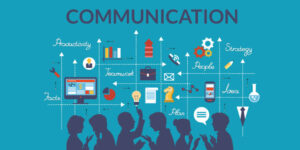
While graphic design is a visual art, at its core, it’s about communication, both through your designs and in how you work with others. A successful designer doesn’t just create beautiful visuals; they convey ideas, tell stories, and solve problems through imagery.
But to do that effectively, you must first understand the client’s vision, the audience’s needs, and the message the design should communicate. That requires strong interpersonal and verbal communication skills.
- Listen actively: Pay close attention during meetings or feedback sessions. Don’t just hear words, understand the intention behind them.
- Ask questions: Clarify goals, timelines, and expectations early. This shows professionalism and helps avoid misunderstandings.
- Accept feedback: Constructive criticism isn’t an attack, it’s a chance to grow. Be open-minded and willing to revise your designs.
- Present your work with confidence: Don’t just show a design, explain it. Help your client see the why behind your choices (colors, layout, typography, etc.) and how they align with the project’s objectives.
Great designers can articulate their creative decisions clearly and respectfully. When you pair strong visuals with strong communication, you become a trusted partner, not just a hired hand.
- Technical Skills – Master Your Tools

Your creativity is powerful, but you need the right tools to bring your ideas to life. As a graphic designer, becoming comfortable with design software and key principles is non-negotiable.
Key Tools to Learn:
- Adobe Photoshop : Great for editing photos, creating mockups, and manipulating images.
- Adobe Illustrator : Ideal for creating logos, icons, and vector illustrations.
- Adobe InDesign: Best for layout-heavy projects like magazines, brochures, and posters.
- Canva or Figma : Perfect for beginners or team collaboration. Easy to use and web-based.
Essential Design Principles:
- Typography – Learn how to choose, pair, and use fonts effectively.
- Color Theory – Understand how colors affect mood, perception, and brand identity.
- Layout & Composition – Organize elements for visual balance and clear flow.
- Visual Hierarchy & Branding – Make sure your designs guide the viewer and reflect a consistent brand style.
Bonus Tip: A basic understanding of HTML/CSS or UX/UI is a big plus—especially if you’re designing for websites or mobile apps.
Start with one tool, practice often, and build real projects. Mastery comes with consistent use.
- Attention to Detail – Small Touches, Big Impact

In graphic design, the little things matter a lot. A small mistake, like misaligned text or inconsistent spacing can weaken the entire message of your design. Paying close attention to the finer details sets your work apart.
Why it matters:
- Clarity: Proper spacing, alignment, and contrast make your design easier to read and understand.
- Professionalism: Clean, polished visuals show clients that you’re serious about your craft.
- Consistency: Matching fonts, colors, and layout styles across all assets builds a strong brand identity.
Tips to sharpen your detail skills:
- Use grids and alignment tools in your software to keep layouts neat.
- Zoom in to check for pixel-perfect positioning.
- Review your design for typos, inconsistent font sizes, and off-brand colors.
- Create a checklist before submitting or publishingTOPIC: How to utilize a content factory.
- As a business owner, if you ever sat down confused and unable to come up with a content idea for your post? Well, you aren’t alone in this, I have time and time again been in that position and I know exactly how you feel. But the good news is, you can boycott this worrisome process and always have something to post about with the help of a content factory. In the course of this article, I will be sharing with you what you need to know about a content factory and how to properly utilize it for maximum results:
- A content factory could be a content calendar full of prompts that you can easily copy and use for your business. It could be for a digital or physical product. It could also be a monthly or yearly plan.
- A content factory helps you cut down time spent worrying about getting content ideas for your business. It also helps you stay at the top of your content game.
- Wondering how you can get one? Worry no more. We got you covered.
- As a business owner, you must have an excellent content strategy. This is a necessity & not a luxury! Putting out content without a plan could be a waste of time, energy, and effort. You are exposed to so much stress and you might end up not arriving at something substantially.
- And trust me, you don’t have to go through all of that! Making that post without a proper content marketing strategy could be a disaster! Don’t be one of those business owners that keep posting for posting sake.
- You can’t grow a successful online business by doing that. Instead of focusing on quick posts that won’t help you, why not use this template to put out content that your audience will resonate with & want to engage with?
- The Content Factory will help you to focus on a long-term strategy that will 10X your marketing results. Some of the key benefits of having this content factory are:
- To Boost Brand Awareness
- Enhances Consistency
- To boost Audience Engagement
- Nurture Quality Leads
- Time Management – Deliver With Confidence

Deadlines are a major part of graphic design. Whether you’re freelancing or part of a design team, you’ll often handle multiple projects at once. Managing your time effectively ensures you meet deadlines without sacrificing quality.
How to manage your time well:
- Break large projects into smaller tasks – This makes them less overwhelming and easier to track.
- Create realistic schedules – Estimate how long each task will take and stick to your timeline.
- Use productivity tools – Apps like Trello, Notion, or Asana can help you stay organized and track progress.
- Avoid burnout – Schedule breaks and don’t overload yourself with too many projects.
- Learn to say “no” – Politely decline requests that don’t fit your schedule or scope.
Why it matters:
Delivering work on time while maintaining high standards builds trust with clients and team members. It also boosts your confidence and reputation as a dependable professional.
Final Thoughts
Becoming a successful graphic designer isn’t about talent alone—it’s about growing your skills and mindset. Stay curious, keep learning, and take your growth one step at a time.
Start today. Stay consistent. And let your creativity shape the future.